
No Event Found.
Wed, Mar 30 1842
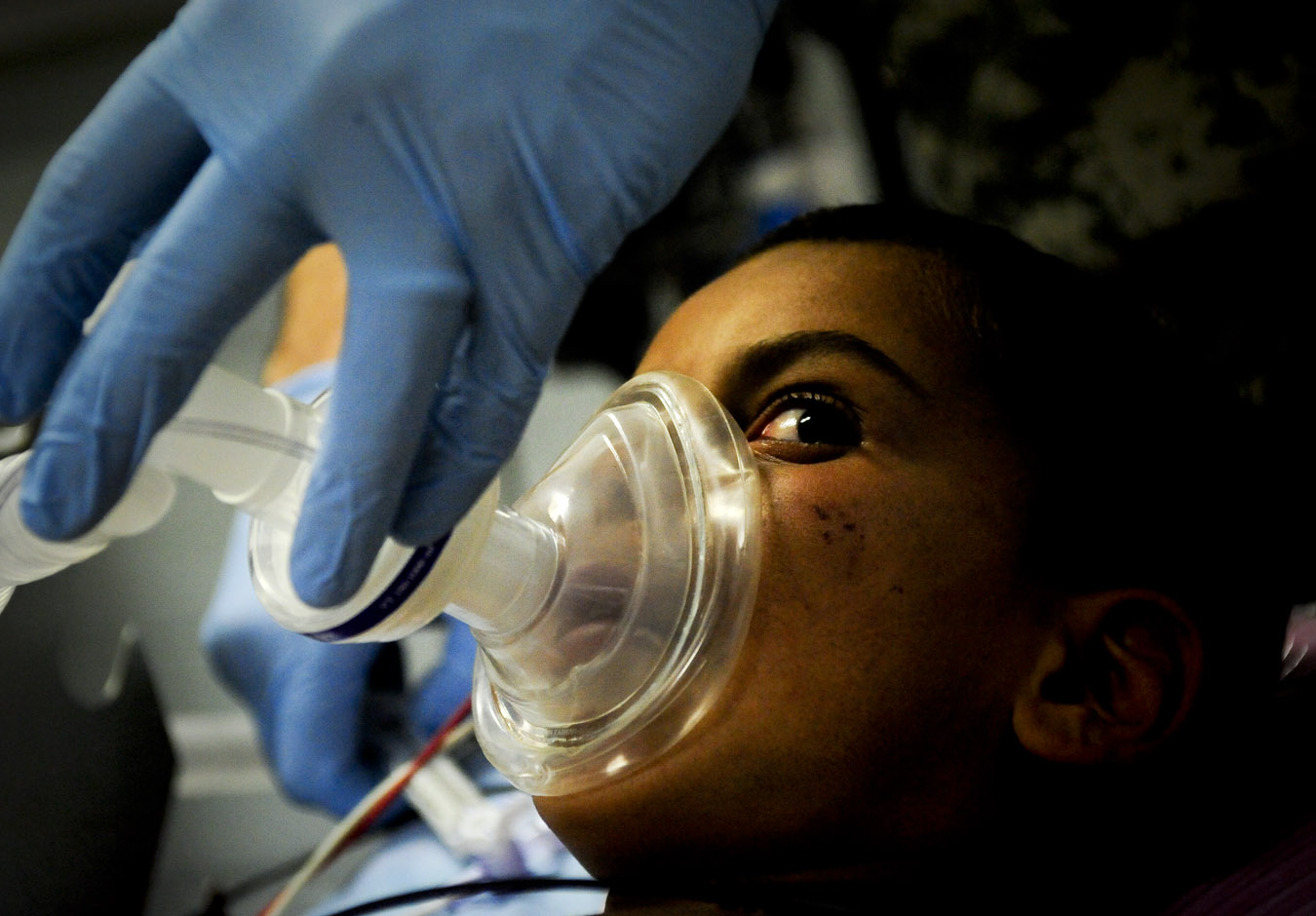
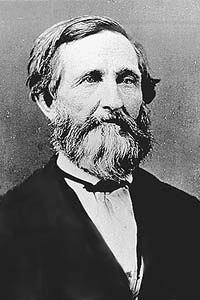
Ether anesthesia is used for the first time, in an operation by the American surgeon Dr. Crawford Long.
Anesthesia is a unique medical intervention which does not itself offer any particular medical benefit and instead enables the performance of other medical interventions. The best anesthetic is therefore one with the lowest risk to the patient that still achieves the end points required to complete the other intervention. There are many different needs and goals of anesthesia. The goals (endpoints) are traditionally described as unconsciousness and amnesia, analgesia, and muscle relaxation. To reach multiple endpoints one or more drugs are commonly used (such as general anesthetics, hypnotics, sedatives, paralytics, narcotics, and analgesics), each of which serves a specific purpose in creating a safe anesthetic.
The types of anesthesia are broadly classified into general anesthesia, sedation and regional anesthesia. General anesthesia refers to the suppression of activity in the central nervous system, resulting in unconsciousness and total lack of sensation. Sedation (or dissociative anesthesia) uses agents that inhibit transmission of nerve impulses between higher and lower centers of the brain inhibiting anxiety and the creation of long-term memories. Regional anesthesia renders a larger area of the body insensate by blocking transmission of nerve impulses between a part of the body and the spinal cord. It is divided into peripheral and central blockades. Peripheral blockade inhibits sensory perception within a specific location on the body, such as when a tooth is "numbed" or when a nerve block is given to stop sensation from an entire limb. Central blockades place the local anesthetic around the spinal cord (such as with spinal and epidural anesthesia) removing sensation from any area below the level of the block.
The first documented general anesthetic was performed by Crawford W. Long in 1842. Unfortunately for Long, he did not publish his successes with ether for general anesthesia until 1849. The first public demonstration of general anesthesia was in 1846 by a Boston dentist named William T.G. Morton at the Massachusetts General Hospital. Dr. Morton gave an ether anesthetic for the removal of a neck tumor by surgeon John Collins Warren (the first editor of the New England Journal of Medicine and dean of Harvard Medical School). About a decade later, cocaine was introduced as the first viable local anesthetic. It wasn't until the 1930s that Dr. Harvey Cushing tied the stress response to higher mortality rates and began using local anesthesia for hernia repairs in addition to general anesthesia.
 share with friends
 add to favorites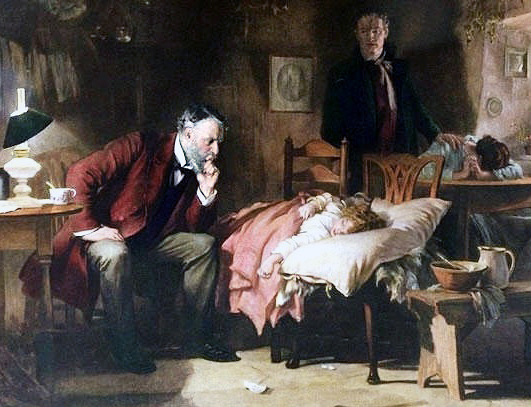

quote of the day
What would life be if we had no courage to attempt anything?
- Vincent van Gogh
Video

TIH Social
Share on Social Media.


Please Login first
Successfully added to favourites
Successfully removed from favourites
Sign in to TIH
Don't have an account?
Sign up now!
Did you forget your password?
Recover it here.
 sign in with facebook
 sign in with Twitter
 sign in with Google
Sign up to TIH
Come join the TIH! Let's set up
your account. Already have one?
Sign in here.